
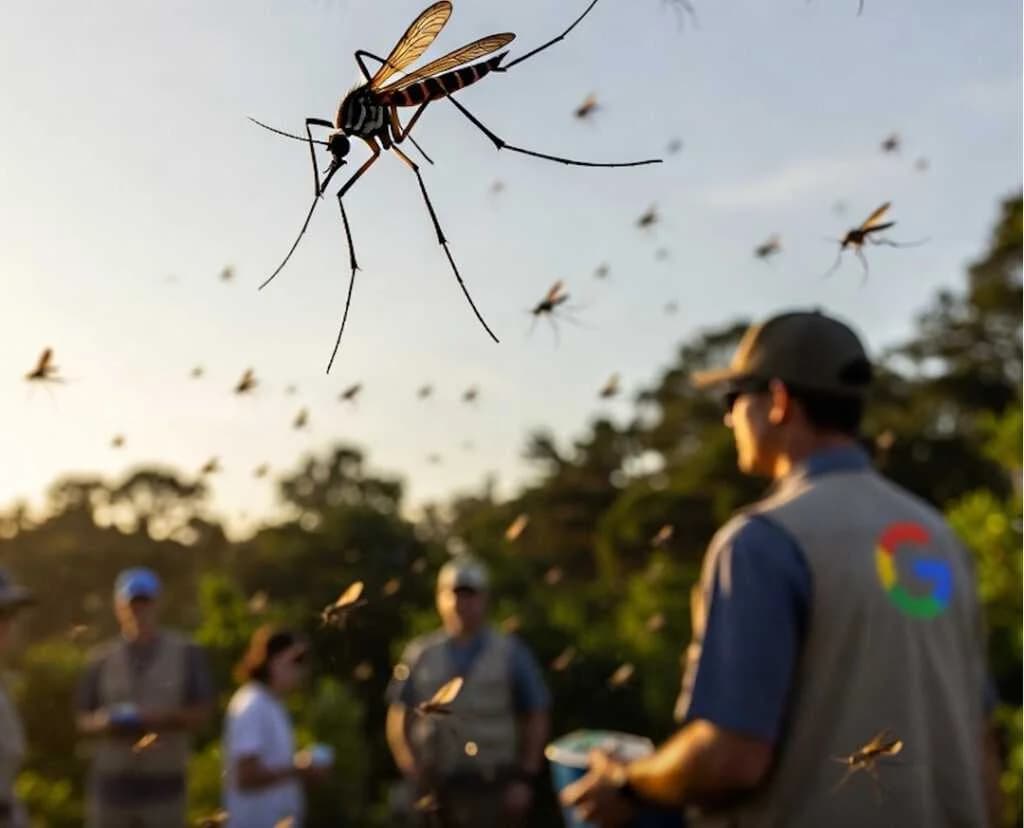
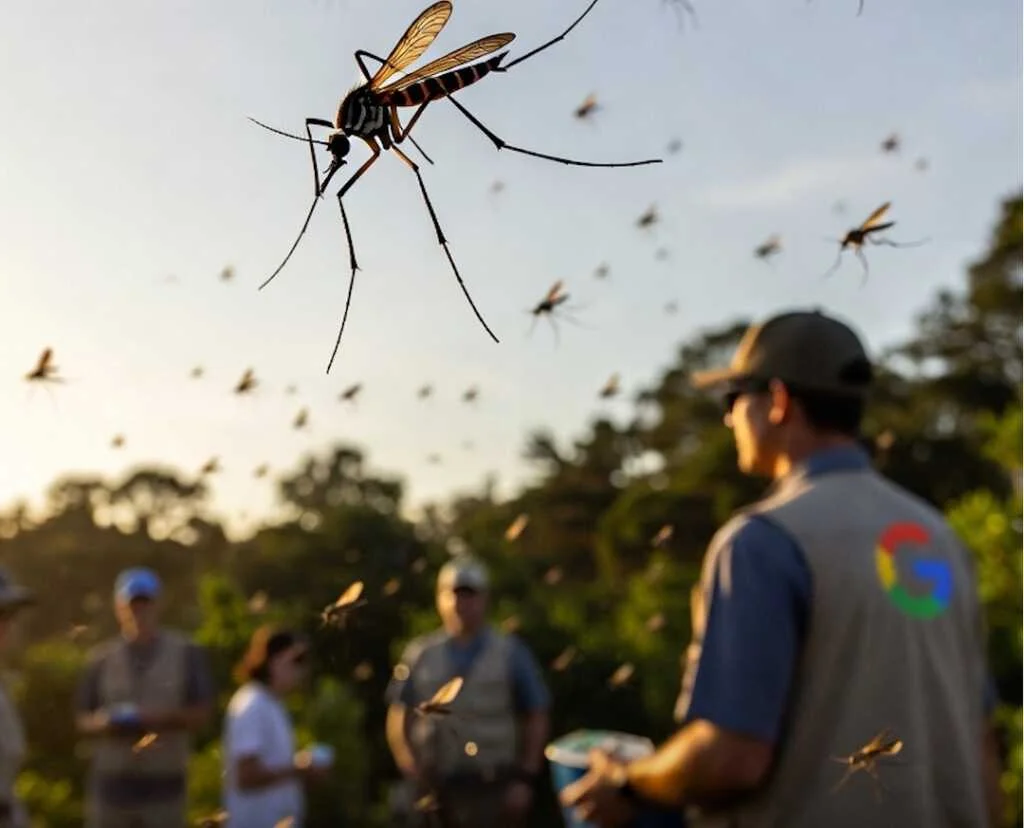
Alphabet, Google's parent company, has sought approval from the U.S. government for a plan to release up to 32 million mosquitoes over two years in California and Florida to control diseases that can be transmitted from mosquitoes.
The plan is part of Alphabet's "Debug" initiative and is currently under review by the U.S. Environmental Protection Agency (EPA), with public comments open until June 5. However, the specific locations and areas where the mosquitoes will be released have not been disclosed yet.
The mosquitoes to be used in this plan are male mosquitoes that do not bite humans and do not suck blood. These male mosquitoes will be infected with a naturally occurring bacterium called Wolbachia, and when they mate with wild female mosquitoes, the eggs will not hatch, which will significantly reduce the mosquito population over time.
The plan primarily targets mosquitoes that spread serious diseases already found in the United States, such as West Nile virus and St. Louis encephalitis.
If the plan receives approval, each state will progressively release millions of mosquitoes in phases over a two-year period.
Ref: Technology Innovation