
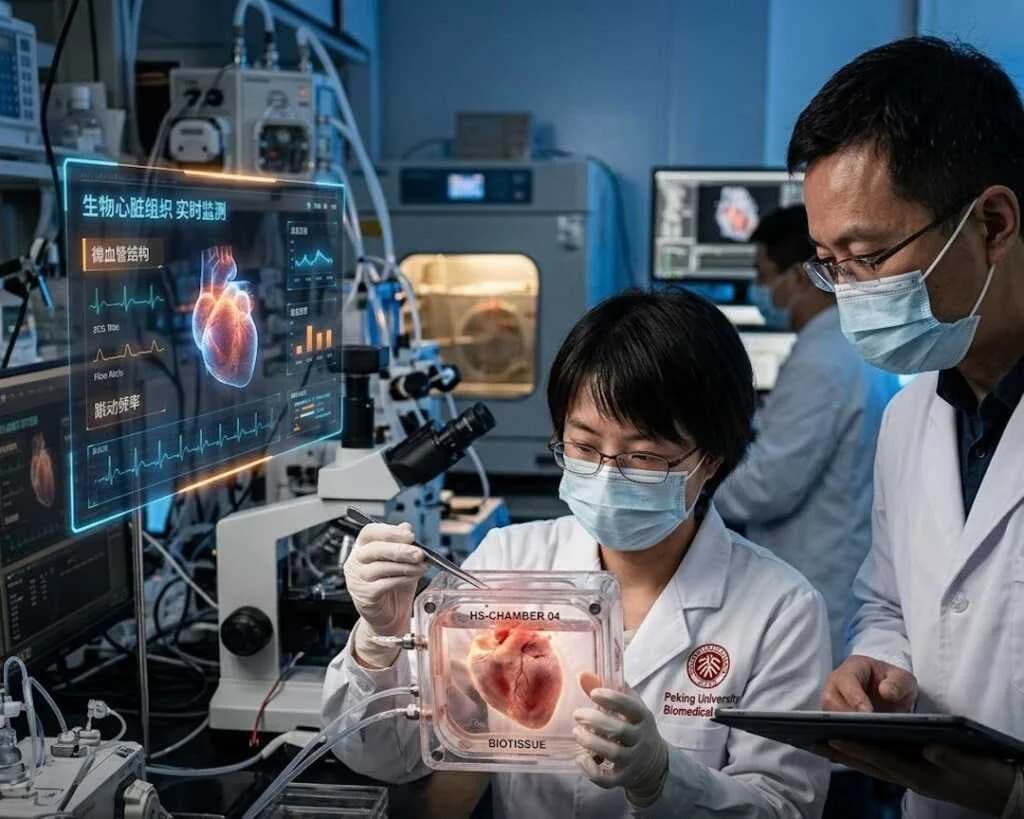
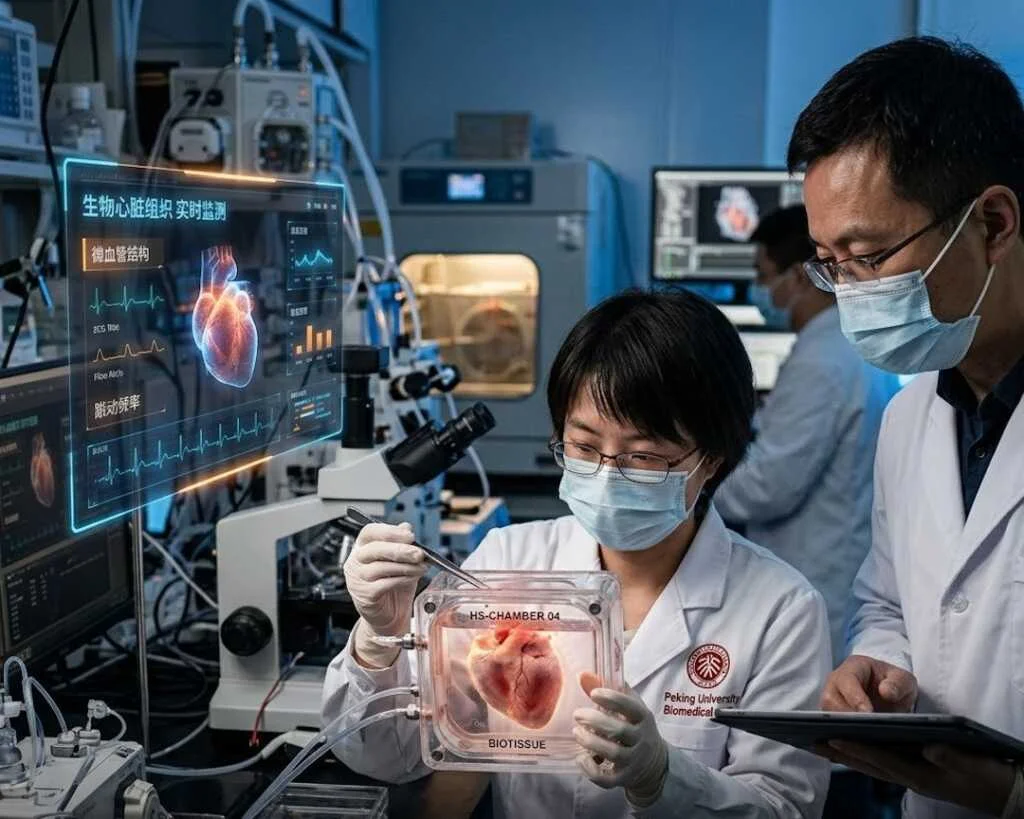
Scientists in Shanghai, China have successfully created for the first time in the world a "Sinoatrial Node" – the heart's natural pacemaker that automatically regulates heartbeat – in a laboratory.
Using human stem cells, they constructed a miniature 3D "Biological Pacemaker" that not only beats automatically but can also emit orderly electrical signals like a real heart chamber, capable of regulating the heart's rhythm.
This component functions as the "primary driving force" that manages the heartbeat throughout the entire heart, transmitting electrical signals that allow the heart chambers to contract in an orderly manner.
If this signaling system were to malfunction, the heart rate could slow to dangerous levels or stop completely. To make this innovation more life-like, researchers also connected it with an artificial neural network that mimics how the human nervous system controls the heart.
This remarkable breakthrough will enable scientists to better understand heart rhythm disorders and make drug testing more effective.
Furthermore, it has opened the path toward treating patients through biological methods in the future, rather than having to implant electronic devices into people's bodies.
For now, this remains at the research stage, but it represents a significant milestone for the field of cardiac engineering.
Ref: Technology Innovation